The Evolution of the Kitchen in Architecture and the Origin of the Open Space Concept
The kitchen has played a central role in residential architecture, evolving from a purely functional space into an environment for social interaction and gathering. This transformation reflects cultural, technological, and social changes over time.
Da Cozinha Isolada à Cozinha de Frankfurt Historicamente, a cozinha era uma área segregada das restantes divisões da casa, destinada exclusivamente à preparação de alimentos e frequentemente associada ao serviço doméstico. No entanto, no início do século XX, surgiram iniciativas que revolucionaram este conceito.Em 1926, a arquiteta austríaca Margarete Schütte-Lihotzky desenvolveu a Cozinha de Frankfurt, considerada o protótipo das cozinhas embutidas modernas. Este projeto, parte do programa "Nova Frankfurt" liderado por Ernst May, visava otimizar o espaço e a eficiência no ambiente doméstico. A cozinha foi concebida com base nos princípios do taylorismo, focando-se na funcionalidade e na economia de movimentos, características inovadoras para a época.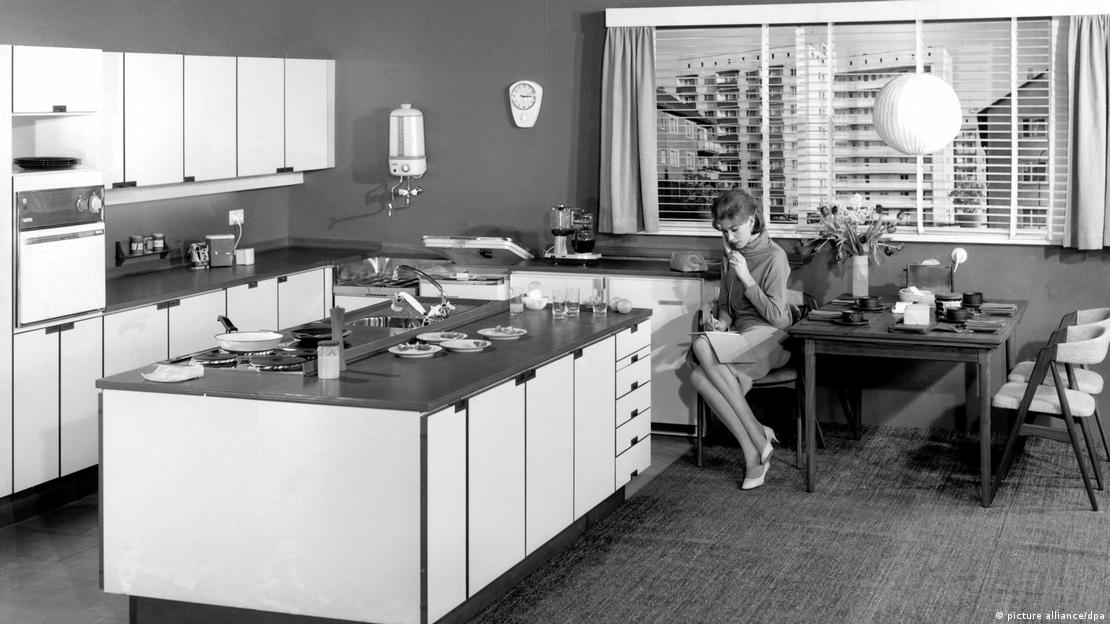
The Emergence of the Open Space Concept

Advantages and Disadvantages of the Open Space Kitchen Concept The adoption of the open space model in kitchens has brought significant benefits to residential architecture, but it also presents challenges that should be considered during the design process.
Advantages of the Open Space Kitchen
- Greater Social Integration The absence of physical barriers allows the kitchen to become a space for socializing, promoting interaction between family members and friends during meal preparation.
- Better Use of Natural Light By eliminating walls, natural light can flow more freely throughout the space, making it feel larger, more pleasant, and energy-efficient.
- Sense of Spaciousness Integrated environments create the illusion of a larger space, especially in smaller apartments and homes where dividing rooms may result in a feeling of confinement.
- Functionality and Flexibility The open space kitchen allows for greater versatility in layout, making it easier to adapt the space to different needs and lifestyles. Additionally, it allows for the installation of central islands that increase the work area and serve as a gathering point in the home.
- Contemporary Aesthetic The integration of the kitchen with social areas contributes to a more fluid and modern design, aligned with contemporary architectural trends.
Disadvantages of the Open Space Kitchen
- Spread of Smells and Noises The absence of barriers allows food odors and appliance noises to spread into the living room and other spaces, which can be inconvenient, especially in compact homes.
- Lack of Privacy and Organization Without walls to define the kitchen, clutter becomes more visible, requiring greater discipline in organizing the space to maintain a harmonious appearance. Additionally, those cooking may miss having a more private environment to prepare meals without distractions.
- Need for Efficient Ventilation Systems With the kitchen integrated into the social area, it is essential to invest in high-performance exhaust systems to prevent lingering odors from affecting the comfort of the space.
- Difficulty in Containing Mess The open space setup requires more rigorous maintenance, as any mess or clutter in the kitchen visually impacts the rest of the environment.
